


Connected Commerce: The Next Evolution of Payments
Connected Commerce represents that evolution.
Recent research by Global Payments reinforces the direction of travel. Digital wallets already account for more than half of global e-commerce transaction value and growing, while embedded financial services continue expanding beyond traditional banking channels into everyday customer experiences. Together, these trends point toward a future where payments become one component of a broader digital relationship rather than the end of a transaction.
Connected Commerce Is Bigger Than Payments
At its core, Connected Commerce brings together multiple participants into a single ecosystem.
• Consumers
• Merchants
• Financial Institutions
• Loyalty Programs
• Digital Wallets
• Marketplaces
• Venues
• Embedded Financial Services
Each participant already delivers value independently.
The opportunity lies in connecting them.
Historically these capabilities have existed as individual products, and Connected Commerce transforms them into an integrated operating model where Payment becomes the catalyst - not the destination.

From Optimizing Transactions to Optimizing Relationships
For years, the industry has competed to optimize the transaction.
The next decade will be won by organizations that optimize relationships.
Every payment creates an opportunity to strengthen customer engagement.
• Identity
• Rewards
• Merchant-funded offers
• Digital marketing
• Financial services
• Personalization
These are no longer isolated capabilities. They are now part of a continuous customer journey that benefits every participant within the ecosystem.
The Economics Change When Everyone Wins
Connected Commerce is compelling because it aligns incentives. They primary parties can all benefit:
• Consumers receive more relevant experiences, personalized rewards and greater convenience.
• Merchants gain stronger customer acquisition, increased retention and measurable return on marketing investment.
• Financial institutions deepen engagement, increase share of wallet and create additional revenue opportunities while strengthening primary banking relationships.
Instead of optimizing individual transactions, Connected Commerce creates long-term economic value across the ecosystem.
Industry Leaders Are Already Thinking This Way
The world’s leading financial institutions and payments processors increasingly discuss customer engagement, merchant ecosystems, and share of wallet alongside traditional banking products.
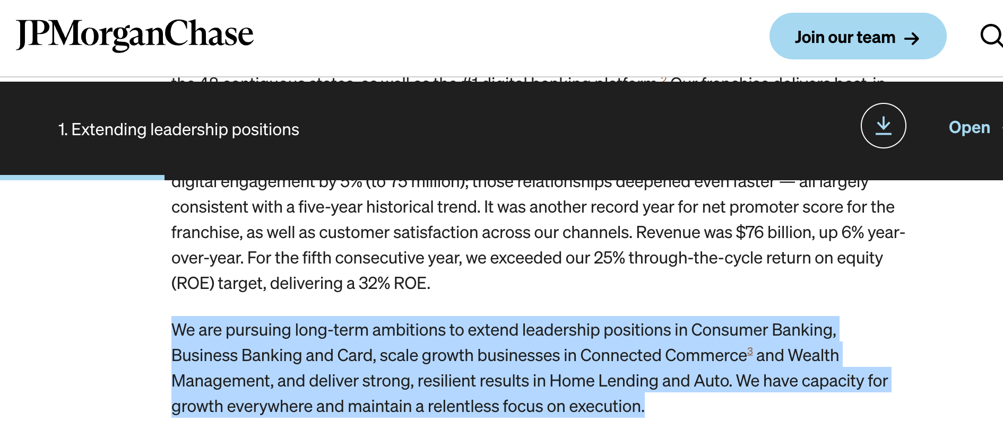
In JPMorgan Chase’s 2025 Annual Report, Marianne Lake describes the firm’s strategy around deepening customer relationships while expanding engagement across consumers and merchants - illustrating how ecosystem thinking is becoming central to long term growth.
Likewise, embedded finance and integrated commerce continue reshaping expectations for both consumers and businesses. The organizations that successfully connect payments, loyalty, engagement and financial services will be positioned to capture a larger share of future commerce.
A Simple Framework
One way to think about Connected Commerce is through six interconnected capabilities:
Each capability already exists.
The competitive advantage comes from orchestrating them together.
That orchestration creates value that no single participant can deliver independently.
Beyond Retail
Although Connected Commerce is often discussed in retail, the opportunity extends much further.
• Sports and entertainment
• Hospitality
• Travel
• Healthcare
• Marketplaces
• Community banking
• Higher education
Wherever consumers, merchants and financial institutions interact, Connected Commerce can create stronger engagement, richer experiences and new economic value.
Looking Ahead
The first generation of digital payments digitised transactions.
The next generation will connect relationships.
The organisations that thrive over the next decade will not simply process payments more efficiently.
They will orchestrate ecosystems.
They will connect customers, merchants, financial institutions and partners in ways that create more value than any participant could create alone.
That is the promise—and the opportunity—of Connected Commerce.
References
• Worldpay, Global Payments Report (2024 and 2026)
• JPMorgan Chase, 2025 Annual Report – Marianne Lake Shareholder Letter
• Bob Legters, CPO at Paysafe

